Exploring careers in corporate fitness and workplace wellness
Published by HealthFitness on August 25th, 2026
When people think about a career in fitness, the path can seem straightforward: become a personal trainer, teach group exercise, coach athletes, or manage a fitness center. But workplace fitness and wellbeing have evolved into a much broader field.
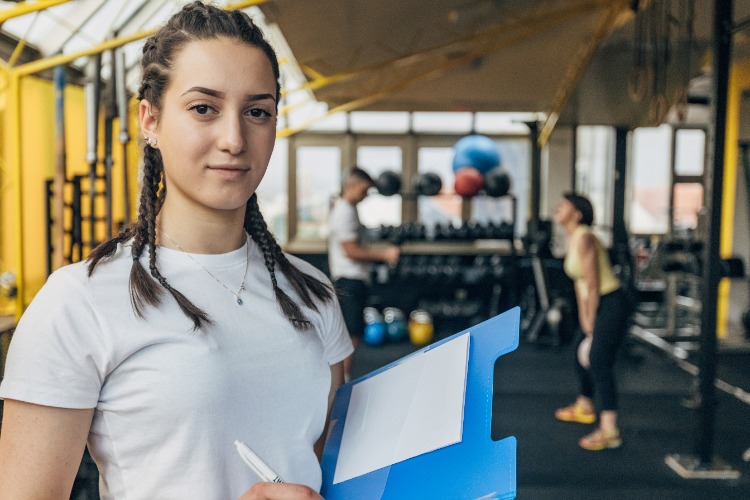
Today, professionals are helping employees build healthier habits, prevent injuries, improve movement, navigate barriers to well-being, and make healthier choices part of everyday life. Behind those efforts are professionals with expertise spanning fitness, nutrition, behavior change, injury prevention, industrial performance, program management, and leadership.
For fitness professionals, that means career opportunities that extend well beyond the traditional gym. For employers, it highlights an equally important consideration: the people delivering a workplace wellbeing program can be just as important as the programs, technology, and facilities supporting it.
In a recent episode of The HealthFitness Podcast, Darcie Pierson, Executive Director of Human Resources at HealthFitness, discussed how the corporate fitness profession is evolving and what it takes to build meaningful careers in workplace wellbeing.
Corporate Fitness Is a People Business
Corporate fitness is sometimes associated primarily with managing a fitness center: opening the facility, overseeing classes, coordinating memberships, and keeping operations running smoothly. Those responsibilities still matter. But they represent only part of what workplace fitness professionals can do.
The most effective professionals work directly with people. They coach, educate and build relationships. They help employees identify realistic ways to improve their health and overcome the barriers that can make healthy behaviors difficult to maintain. That might mean helping an experienced runner prepare for a race. It could mean working with someone who hasn't exercised in years. It might mean helping a busy parent find small, sustainable ways to prioritize movement.
The common thread is not a particular workout or piece of equipment. It is the ability to understand the person in front of you and provide support that is relevant to their goals, circumstances, and level of confidence. That requires more than technical fitness knowledge. It requires communication, empathy, adaptability, relationship-building, and the ability to translate expertise into practical guidance.
Career Opportunities Extend Well Beyond Personal Training
For students studying exercise science, kinesiology, athletic training, or related disciplines, the traditional career paths can sometimes overshadow the broader opportunities available in workplace wellbeing. Corporate fitness can provide a different environment in which to apply that knowledge.
Career paths may include:
- Fitness and wellness programming
- Health coaching and behavior change
- Nutrition and registered dietetics
- Injury prevention
- Industrial performance
- Workplace movement and ergonomics
- Wellness education
- Employee engagement
- Program management
- Leadership and organizational roles
These roles can look very different from one another. A professional may spend part of a career coaching individuals in a corporate fitness center and later move into program leadership. Another may specialize in injury prevention or industrial performance. Someone else may develop expertise in nutrition, behavior change, or wellness education. The important takeaway for people entering the field is that a first job does not have to define an entire career.
Industrial Performance Brings Movement Science Into the Workplace
One of the less familiar career paths is industrial performance. Instead of applying movement expertise only during scheduled workouts, professionals in industrial settings bring that knowledge directly into the workplace. They may identify potential movement risks, provide line-side coaching, lead pre-shift warm-ups, or help employees understand body mechanics as they perform physically demanding tasks. The work can be highly varied because it is shaped by the environment and the demands of the job.
For professionals who enjoy movement science, education, problem-solving, and working directly with people, industrial performance offers an opportunity to apply their skills in a very different setting. It also illustrates how workplace wellbeing has expanded beyond the traditional concept of exercise.
The goal isn't simply to help someone have a better workout. It can be about helping people move safely and effectively throughout their workday and daily lives.
Workplace Wellbeing Is Becoming More Comprehensive
Exercise remains an important part of workplace wellbeing, but it is no longer the entire conversation. Employers are increasingly looking at the connections among physical activity, nutrition, injury prevention, safety, behavior change, engagement, retention, productivity, and workplace culture. That broader perspective creates opportunities for professionals with different areas of expertise to contribute.
A registered dietitian brings a different perspective than a personal trainer. An injury-prevention specialist brings a different perspective than a wellness program manager. An industrial performance professional sees different workplace challenges than someone working primarily in a fitness center. Together, these disciplines can contribute to a more comprehensive employee experience.
For employers, that means evaluating workplace wellbeing as more than a collection of classes, events, or digital tools. The expertise behind those offerings matters.
The Best Fitness and Wellness Professionals Meet People Where They Are
Technical expertise is essential. But technical knowledge alone doesn't guarantee an effective employee experience. Workforces are made up of people with very different goals and circumstances. One employee may be training for a marathon. Another may be returning to exercise after years away. Someone else may simply want more energy during the workday. Their motivations, schedules, confidence levels, and barriers can be completely different.
The professionals who make the greatest impact understand those differences. They know how to build trust. They listen before prescribing solutions. They adapt their approach. And they help employees connect healthy behaviors to their own goals and everyday lives. This is one reason the quality of the people behind a workplace wellbeing program matters so much.
A facility can be impressive. Technology can be sophisticated. Programming can be extensive. But if employees don't feel understood or supported by the people delivering the experience, those resources may never reach their full potential.
Continuing Education Keeps Expertise Moving Forward
Health, fitness, behavior change, and injury prevention are dynamic fields. Research evolves. Technology changes. New approaches emerge. Employee expectations shift.
For professionals, staying effective means continuing to learn long after earning an initial degree or certification. Continuing education, specialized training, and professional credentials can help practitioners stay current with emerging research and best practices. More importantly, ongoing development can improve the quality of the experience employees receive.
A participant may never ask a fitness professional which certification they hold or what continuing education course they recently completed. They will, however, notice when coaching is thoughtful, relevant, and personalized. They will notice when a professional can answer their questions with confidence. They will notice when recommendations feel appropriate to their situation. And over time, those experiences can help build trust.
For professionals building long-term careers, continuing education isn't simply about adding another credential to a résumé. It is about continuing to improve the value they bring to the people they serve.
Technology Can Enhance the Human Side of Well-Being
Technology is creating even more possibilities for workplace fitness and wellbeing. Wearables, digital platforms, data-driven insights, and emerging artificial intelligence tools can help professionals engage employees, personalize experiences, identify trends, and support behavior change. But technology doesn't eliminate the need for human expertise. Data can provide information. A professional helps put that information into context.
A digital platform can deliver a reminder. A coach can help someone understand why a behavior matters and determine what is realistic for their life. The opportunity isn't to choose between technology and people. It is to use technology to make human expertise more effective.
As the industry continues to evolve, professionals who can combine technical knowledge, technology, and relationship-building will be increasingly valuable.
Career Growth Doesn't Always Mean Moving Into Management
A career in corporate fitness doesn't have to follow a single ladder. Growth might mean managing a larger program or moving into leadership. But it could also mean developing deeper expertise in a specialized area, earning an additional certification, taking on new responsibilities, participating in specialized training, or becoming a mentor to other professionals. That flexibility can be especially valuable in a field that continues to evolve.
Professionals can build careers around the areas they find most meaningful while continuing to expand their knowledge and capabilities. Mentorship can also play an important role. Learning from professionals with different backgrounds can expose people to opportunities they may not have considered when they first entered the industry.
For students, career changers, and fitness professionals exploring their next step, the message is simple: Your first role doesn't have to determine the rest of your career.
The Future of Fitness Is Bigger Than the Gym
Corporate fitness is no longer defined by four walls and a workout schedule. It is part of a broader workplace wellbeing ecosystem that brings together fitness, movement, nutrition, injury prevention, behavior change, education, technology, and human connection. That creates exciting possibilities for professionals entering the field and important considerations for employers looking to build healthier workplaces.
For fitness professionals, the industry offers more ways to apply expertise and build a meaningful career. For HR leaders, it offers an opportunity to look beyond the visible elements of a wellbeing program and consider the expertise, development, and relationships behind them.
Ultimately, workplace wellbeing is about people helping people. The professionals who can combine knowledge with empathy, coaching with education, and technology with human connection will play an important role in shaping where the industry goes next. The future of fitness goes beyond the gym. And for the professionals who choose to build their careers there, the possibilities are just as broad.
Frequently Asked Questions About Corporate Fitness Careers
What careers are available in corporate fitness?
Corporate fitness careers extend beyond personal training and fitness center management. Opportunities can include health coaching, wellness programming, nutrition, injury prevention, industrial performance, wellness education, employee engagement, program management, and leadership.
What does a corporate fitness professional do?
Corporate fitness professionals can coach employees, develop wellness programs, lead fitness and education sessions, support behavior change, create engagement initiatives, and build relationships that help employees make healthier choices. Depending on the role, they may also specialize in areas such as injury prevention or industrial performance.
What qualifications are needed for a career in corporate fitness?
Requirements vary depending on the role. Degrees in exercise science, kinesiology, athletic training, nutrition, and related disciplines can provide a strong foundation. Professional certifications, continuing education, and specialized training can help professionals build additional expertise.
What is industrial performance?
Industrial performance applies movement science and related principles to the workplace. Professionals may provide line-side coaching, lead pre-shift warm-ups, educate employees about body mechanics, and help address movement and injury risks associated with specific jobs.
How is corporate fitness different from traditional fitness?
Traditional fitness often focuses primarily on exercise and individual fitness goals. Corporate fitness and workplace wellbeing take a broader approach, connecting health and wellness with employee experience, workplace culture, safety, engagement, and the realities of working life.
Learn more
- Join our team! We are looking for strategic thinkers, innovators, team players and leaders who align with our purpose of improving the health and wellbeing of those we serve.
- Learn more about HealthFitness and how we create cultures of health.
Share
Author

Written by HealthFitness
HealthFitness is a proven leader in providing fitness solutions that engage and connect people both on-site and online, to create a strong community of health.
Topics