Why some workplace amenities get used and others don’t
Published by HealthFitness on October 1st, 2026
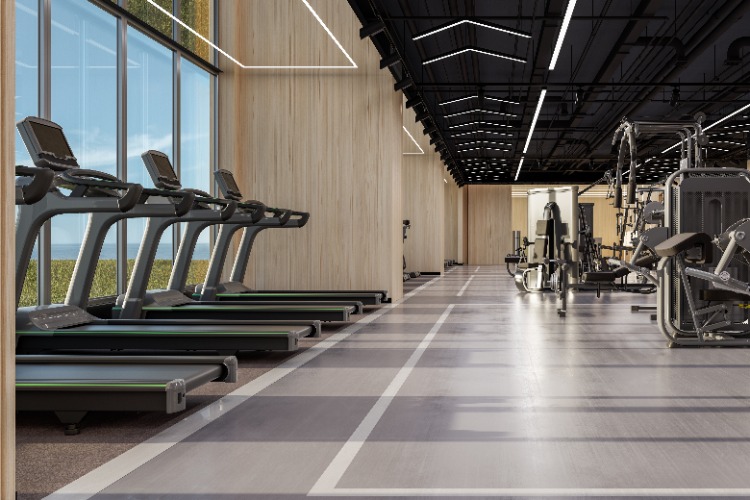
The fitness center is packed from 7 to 9 a.m. and nearly empty the rest of the day. The studio has room for 30, and six people show up to class. The tenant lounge looked great in the leasing photos and rarely feels occupied.
If you own or operate commercial real estate (CRE), you may have seen it. The space is built, the equipment is in place, and the investment is made. So why aren't tenants using it?
Knowing what your tenants value is one question. (Here's where to start with that one.) Figuring out why an amenity isn't getting used is another, and it's the one this blog is about.
Low Usage Is a Signal, Not a Diagnosis
A quiet amenity is easy to misread. It's tempting to conclude that tenants just don't want a fitness center, a lounge or a wellness room.
But think of utilization as the check-engine light. It tells you something needs attention. It doesn't tell you what. A fitness center with modern equipment and a great location can still sit quiet because the hours don't match tenant schedules, the access process is clunky, or nobody knows the classes exist.
That's why the first step isn't another investment. It's figuring out which problem you actually have.
Start With Relevance
An amenity that thrives in one building can flop in another. Industries, schedules, commuting patterns and workplace cultures all shape what tenants want.
Fitness is a good example. Some tenants want traditional strength and cardio equipment. Others want group classes, personal training or recovery. And in a building where many people have never set foot in a gym, a low-pressure way to get started may matter more than a new row of treadmills.
So skip "Is this a good amenity?" Ask "Is this the right experience for the people in this building?"
Then Look for Friction
Sometimes an amenity is relevant but harder to use than it should be. Access is complicated. There's no convenient place to change and shower. The lounge sits far from the natural flow of the building. The wellness program takes five steps to join.
None of these barriers looks like a big deal alone. Together, they can decide whether someone uses the space or walks right past it. Often the fix isn't more space. It's making the existing experience easier.
Awareness Is Not Engagement
A tenant can walk past the fitness center every day without knowing it offers personal training or group classes. Someone else may know the lounge exists but not whether they're welcome in it.
It helps to think of the path people take:
Awareness → First visit → Good experience → Repeat visit → Habit
Where people drop off tells you what to fix. If they never get past awareness, the building needs better communication. If they try it once and don't return, look at the experience. If they come back occasionally but never build a routine, programming, convenience or relevance may be the missing piece.
The Space Doesn't Create the Experience
Two fitness centers can have the same square footage, equipment and hours and feel completely different. One feels active, welcoming and connected to the building. The other feels like a room with treadmills.
The difference is what happens around the equipment. Programming gives people a reason to come back. Staff help newcomers feel comfortable. Classes build community. Events introduce tenants to something new. Consistent communication keeps the amenity on people's minds after the first visit.
The property provides the space. The operating model creates the experience.
The Number That Matters Is Repeat Use
Consider a fitness center that signs up 100 new users in a month. Sounds great, until you learn most never come back.
Now consider one that signs up 50 and turns most of them into regulars. Which has the stronger engagement?
A single utilization number can't tell you. Behavior over time can. A few patterns worth tracking:
- Are first-time users becoming regulars? First visits are easy to count. Repeat visits tell the real story.
- Which programs bring people back? A class, a coach or an event that drives repeat participation shows you what's working.
- When does engagement drop off? After the first visit? The first month? The drop-off point usually points to the fix.
- Who is carrying the numbers? If a small group accounts for most of the activity, the amenity isn't reaching the building.
- When is the space busy, and when is it empty? Peaks and gaps often point to schedule or programming mismatches, not lack of interest.
Diagnose First, Then Invest
When an amenity is underused, the instinct is to spend. More equipment, a renovation, a new amenity.
Sometimes that's exactly right. But more equipment won't fix an awareness problem, and a bigger space won't fix hours that don't match tenant schedules. Match the fix to the problem, and the investment goes a lot further.
From Amenity to Asset
A fitness center is a space. Programming turns it into a service. Engagement turns that service into an experience. And when tenants consistently use and value that experience, the amenity starts working as an asset.
The question isn't whether your building has the amenity. It's whether the amenity is doing the job you built it to do.
Learn more
- Get insights into commercial real estate fitness management and see how owners and operators are approaching amenity strategy.
- Connect with our team to learn more about our CRE fitness solutions.
- Blog: Top health and fitness amenities for tenants
- Blog: Boost tenant hospitality through fitness
Share
Author

Written by HealthFitness
HealthFitness is a proven leader in providing fitness solutions that engage and connect people both on-site and online, to create a strong community of health.
Topics